

- Home
- Treatments
- Dermatology
- Aesthetic Treatments
- PRP Treatment

PRP Treatment
PRP Treatment Sydney CBD
PRP uses a concentrate of your own platelets, prepared from a small blood sample, to work on the quality of the skin.
Platelet-rich plasma, usually shortened to PRP, is made from your own blood. The sample is spun in a centrifuge so the platelets separate from the red blood cells, and the platelet-rich layer is then injected into the skin or applied during skin needling. Platelets carry growth factors that take part in the body’s wound-healing response, which is why PRP is used for concerns related to skin texture and scarring.
At Quayside Specialists in the Sydney CBD, PRP is performed by Dr Maryam Seyedabadi, Specialist Plastic Surgeon. Because our practice brings plastic surgery and dermatology together, a scar, pigment change or skin condition that needs a medical diagnosis can be reviewed by our dermatologists before any cosmetic treatment is considered.
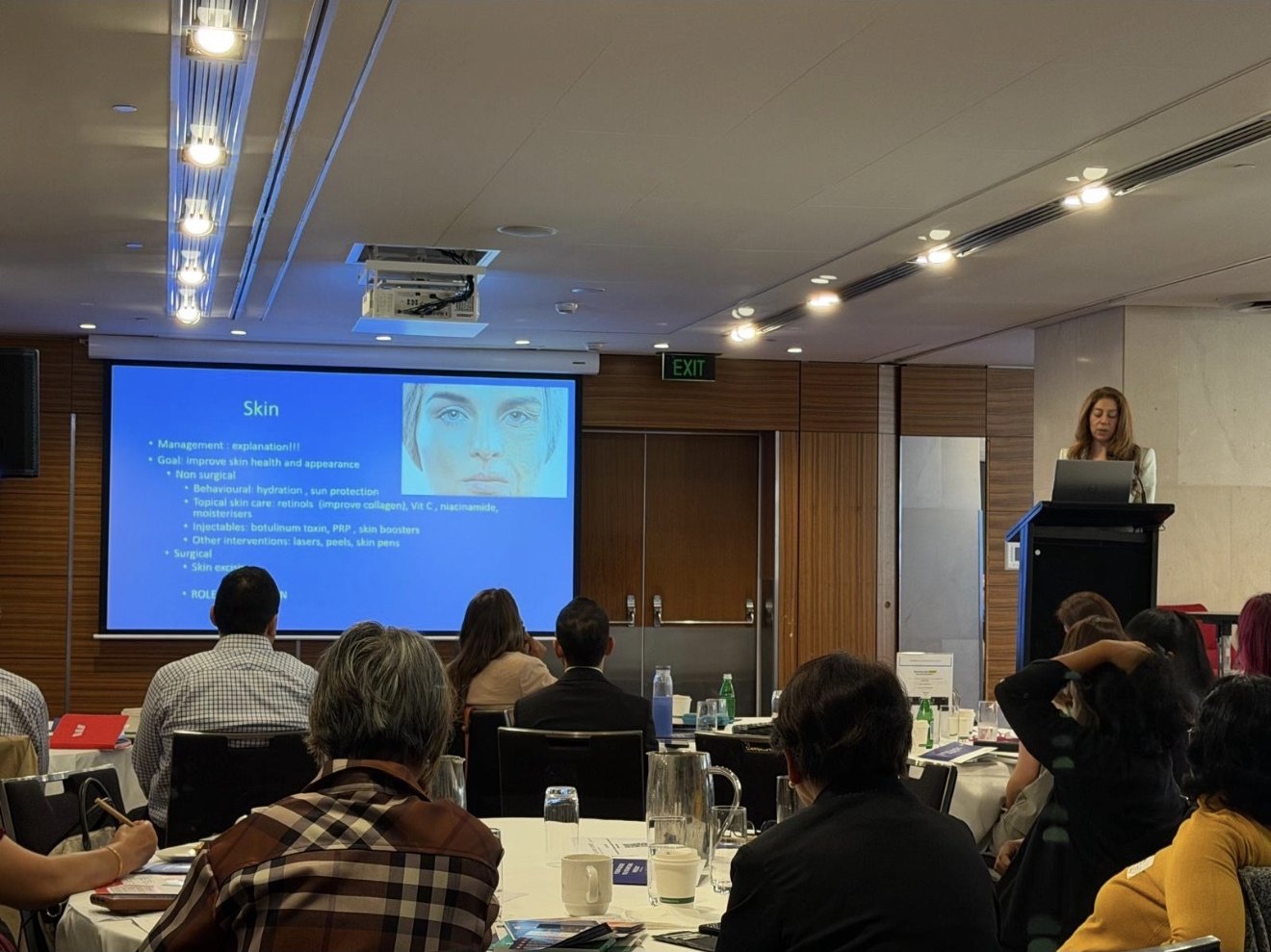
What PRP may be used for
PRP is used for concerns that sit in the skin itself, rather than in the deeper fat, muscle or bone of the face. Dr Maryam may suggest it for:
- Uneven skin texture
- Fine lines, including those around the eyes
- Thin, crepey skin under the eyes, and dark circles caused by thin skin showing the blood vessels underneath
- Acne scarring, usually alongside skin needling or laser resurfacing
PRP does not lift loose skin or replace lost volume. Under-eye bags caused by fat, or laxity in the cheeks and jawline, are treated differently, for example with blepharoplasty or a facelift. If Dr Maryam thinks PRP is unlikely to help with your concern, she will tell you.
How PRP treatment works
- Consultation. Dr Maryam looks at your skin, asks about your medical history and medications, explains what PRP can and cannot do for your concern, and talks through the alternatives, including not having treatment.
- Blood sample. A small amount of blood is taken from your arm, the same way as for a routine blood test.
- Preparation. The sample goes into a centrifuge for several minutes, which separates the platelet-rich plasma from the red blood cells.
- Numbing. Anaesthetic cream is applied to the treatment area.
- Application. The PRP is injected into the skin with a fine needle, or applied during skin needling so it reaches the small channels made in the skin.
Most appointments take about an hour, including preparation and numbing. A course of several sessions spaced weeks apart is common, and the number Dr Maryam recommends depends on your skin and the area being treated.
What the evidence shows
PRP has been studied in dermatology for more than a decade, but the research is uneven. Many studies are small, and they prepare and apply PRP in different ways, which makes results hard to compare. The most consistent findings relate to acne scarring: a 2022 meta-analysis of 14 studies found that adding PRP to microneedling gave better results than microneedling alone. Evidence for fine lines and under-eye skin is more limited.
Results vary between people. Changes to skin texture develop gradually in the weeks after a course of treatment, and they do not stop the skin’s natural ageing process.
Recovery after PRP
- Redness, swelling and tenderness are common for one to three days.
- Bruising can appear at injection sites, particularly under the eyes, and may take a week or longer to fade.
- After PRP with skin needling, the skin usually looks pink, a little like mild sunburn, for a few days.
- You will be given aftercare instructions, which usually include avoiding make-up, strenuous exercise, saunas and direct sun for a short period.
- Many people return to work the next day, although some allow a few days off if bruising under the eyes is likely.
Risks and side effects
PRP is a medical procedure and carries risks. As well as the redness, swelling and bruising described above, possible risks include infection, discomfort during and after treatment, small lumps under the skin, changes in skin pigmentation (more likely in darker skin types after skin needling), and bruising or soreness where the blood was taken. Very rarely, an injection into the face can enter or compress a blood vessel, and around the eyes this has been reported to affect vision. It is also possible that treatment will not produce the change you were hoping for.
PRP may not be suitable if you have a bleeding or platelet disorder, take blood-thinning medication, have an active skin infection or cold sore in the area, are being treated for cancer, or are pregnant or breastfeeding. Your medical history is reviewed at consultation. Please do not stop any prescribed medication without medical advice.
PRP Treatment Sydney CBD
PRP at Quayside Specialists is provided by Dr Maryam Seyedabadi (MED0001341746), Registered medical practitioner, specialist plastic surgeon (specialist registration in surgery – plastic surgery), and a Fellow of the Royal Australasian College of Surgeons. Treatment starts with a consultation at our rooms at Level 10, 66 Hunter Street, Sydney, where you can ask questions and take time to decide before booking.
Fees are confirmed after your consultation. PRP for cosmetic purposes does not attract a Medicare rebate. Contact us or call 1300 911 151 to make an enquiry.
ALL SURGICAL PROCEDURES CARRY RISKS. BEFORE PROCEEDING, YOU SHOULD SEEK A SECOND OPINION FROM AN APPROPRIATELY QUALIFIED HEALTH PRACTITIONER.
ALL SPECIALISTS ARE INDEPENDENT CONTRACTORS.
Common Questions
PRP Treatment FAQs
Answers to the questions we hear most often about PRP. If yours isn’t covered here, get in touch with our team.
How many PRP sessions will I need?
Does PRP treatment hurt?
How long do PRP results last?
Can PRP be combined with laser or skin needling?






Make an Enquiry Today
To book an appointment please complete the form and a member of our friendly team will be in contact to confirm your request.
Sydney NSW 2000